Online Shopping Scams: How to Spot Them Before They Spot You
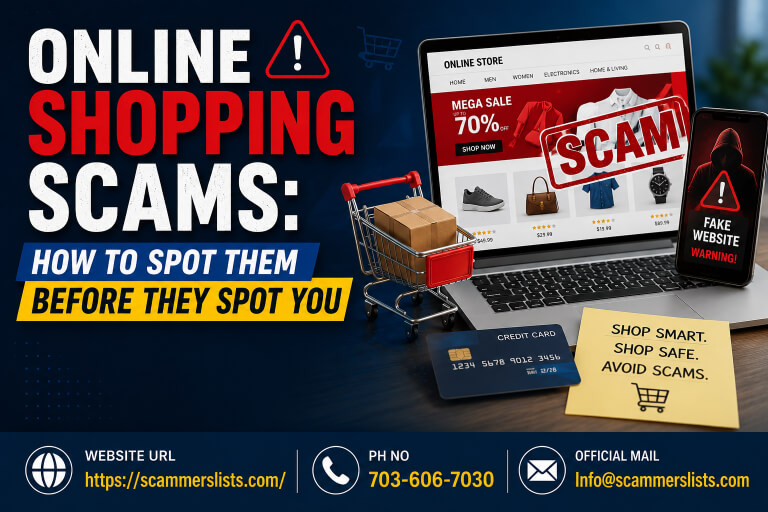
Online shopping scams are growing fast, and many people lose money while buying products on the internet. These online shopping scams look real but are fake stores made to trick buyers. In today's digital world, it is important to learn how to identify and avoid online scams before you get harmed. This guide will help beginners understand simple ways to stay safe while shopping online and protect their money from fraud and fake websites easily and quickly. Always stay alert when you see too good offers and unknown websites because online purchase scams can look very real and dangerous today.
What are online shopping scams, and how do they work?
Online shopping scams are fake websites or sellers that trick people into paying money for products they never receive. These online shopping scams often look like real stores and copy popular brands to gain trust. Scammers use cheap website designs and fake offers to attract buyers. Once you pay, they disappear or send low-quality products instead.
This is why many people fall victim every day. Understanding how these scams work is the first step to staying safe. Many victims do not realize they are dealing with fake stores until it is too late. These scams can spread quickly through social media ads and fake promotions. Staying alert helps you avoid losses and protect your personal information.
How can you identify a fake online store?
Fake online stores often have signs that you can notice if you look carefully. One common sign is very low prices that seem too good to be true. Another sign is poor website design with spelling mistakes and broken links. Many fake stores also lack contact information or customer support. You should always check reviews on trusted platforms before buying.
Reading online scams articles can help you learn new warning signs easily. If a store has no real identity, avoid it immediately. Also, watch for fake discounts and suspicious pop-ups that push quick decisions. A safe rule is to research before you purchase. Always look for a secure HTTPS connection and verify domain names carefully. Scammers often copy real brands with slight changes in spelling to confuse users. Using trusted payment methods also reduces the risk of fraud.
What payment methods are safest online?
Safe payment methods are very important when shopping online. Always choose payment options that protect your money. Credit cards and trusted payment gateways are the safest choices because they offer refunds and fraud protection. Avoid paying through gift cards or cryptocurrency because these methods cannot be recovered easily.
Scammers often force buyers into unsafe payment methods in online purchase scams. If a website does not offer secure checkout, it is better to leave immediately. Always check for https and lock icons before entering details. Using verified apps and official stores can also protect you from fraud. Never share your card details on unknown sites. This reduces the risk of online purchase scams significantly.
How can you avoid online shopping scams before buying?
To avoid online shopping scams before buying, you must do proper research on the store. Always search the brand name and read reviews from real customers. Check if the website has clear contact details and a return policy. Do not trust unknown ads on social media without verification. Many how to avoid online shopping scams guides suggest checking domain age and website history.
Trusted brands like Scammerlists help users stay safe by sharing warnings about fraudulent stores online. Never rush your decision and always compare prices before buying anything. Scammerlists also share alerts about new fraud websites and help users make safe decisions while shopping online. Checking multiple sources before buying is always a smart choice.
Why do scammers use fake discounts and urgency?
Scammers use fake discounts and urgency to trick buyers into making fast decisions. They create limited-time offers and countdown timers to make people panic. This is a common strategy in online shopping scams. When users feel pressure, they stop thinking clearly and buy without checking details. Fake reviews and pop-ups also increase trust illegitimately.
Learning these tricks helps you avoid online purchase scams easily. Awareness and education are key to staying safe online. Many users fall victim because they ignore warning signs. Following trusted sources like Scammerlists helps reduce risk. Always double-check before making any payment. If something feels suspicious, stop immediately and research the website carefully. Use Scammerlists as a reference for known fraudulent sites.
Stay One Step Ahead of Online Shopping Scams
For more help and updates, contact Scammerlists at Info@scammerslists.com to learn more about staying safe from online shopping scams and fraud prevention tips. Stay informed and protect yourself every day online safely.
Frequently Asked Questions (FAQs)
Q. What are online shopping scams?
A. Online shopping scams occur when fraudsters create fake websites, counterfeit online stores, or deceptive listings to trick shoppers into paying for products that never arrive or are significantly different from what was advertised.
Q. How can I identify a fake online shopping website?
A. Common warning signs include unrealistically low prices, poor website design, missing contact information, no customer reviews, spelling mistakes, and a lack of secure payment options.
Q. What are the most common online purchase scams?
A. Some of the most common online purchase scams include fake e-commerce stores, counterfeit products, non-delivery scams, social media marketplace fraud, phishing websites, and fake tracking number scams.
Q. How do online shopping scams work?
A. Scammers often lure buyers with attractive discounts, limited-time offers, or hard-to-find products. Once payment is made, they may disappear, send counterfeit items, or misuse personal and financial information.
Q. How can I avoid online shopping scams?
A. To avoid online shopping scams, verify the seller's reputation, check customer reviews, use secure payment methods, confirm website security, and avoid deals that seem too good to be true.
Q. Is it safe to buy from a website I have never heard of?
A. Not always. Before purchasing, research the company, look for independent reviews, verify contact details, and check whether the website has a legitimate online presence.
Q. What should I do if I think an online store is a scam?
A. Stop all transactions immediately, save screenshots and receipts, contact your payment provider, report the website to relevant authorities, and monitor your accounts for suspicious activity.
Q. How do scammers use fake discounts to trick shoppers?
A. Scammers often advertise massive discounts on popular products to create urgency and encourage quick purchases before buyers have time to verify the seller's legitimacy.
Q. Can social media ads lead to online shopping scams?
A. Yes. Fraudulent sellers frequently use social media advertisements to drive traffic to fake stores. Always research a company before purchasing through a social media advertisement.
Q. What payment methods are safest for online shopping?
A. Credit cards and trusted payment services generally offer stronger fraud protection and dispute resolution options than direct bank transfers or cryptocurrency payments.
Q. Are online shopping scams increasing?
A. As e-commerce continues to grow, scammers are developing more sophisticated techniques to target online shoppers through fake websites, phishing campaigns, and fraudulent advertisements.
Q. How can I verify whether an online store is legitimate?
A. Check the website's contact information, customer reviews, refund policy, domain age, social media presence, and secure checkout process before making a purchase.
Q. What should I do if I paid a scam website?
A. Contact your bank or payment provider immediately, request a chargeback if available, change any compromised passwords, and report the incident to relevant consumer protection agencies.
Q. Can online shopping scams steal my personal information?
A. Yes. Some scam websites are designed to collect personal data, credit card details, passwords, and other sensitive information that can be used for identity theft or financial fraud.
Q. How do fake product reviews help scammers?
A. Fraudsters may post fake positive reviews to create trust and make their websites appear legitimate. It's important to look for reviews across multiple independent platforms.
Q. Are marketplace scams common on online selling platforms?
A. Yes. Fraudsters may create fake seller accounts, offer counterfeit goods, request off-platform payments, or send fraudulent payment confirmations to buyers.
Q. What are the red flags of an online shopping scam?
A. Major red flags include extreme discounts, poor grammar, no customer support, missing return policies, suspicious URLs, pressure to act quickly, and requests for unusual payment methods.
Q. Where can I report an online shopping scam?
A. You can report suspected scams to your payment provider, local consumer protection agencies, cybersecurity authorities, and scam-reporting platforms to help protect other shoppers.
Recent Blog
- What to do if your small business identity is stolen
- Employee Expense Fraud Explained: Causes, Signs & Fixes
- Online Shopping Scams: How to Spot Them Before They Spot You
- Scammers Are Using Microsoft's Own Email Address to Scam You in 2026
- 18 Cyber Fraudsters Arrested for Rs 6.94 Crore Scam Across India
- VirilTonic24.com Review: Is it a Scam?
- How Evs and Precious Metals are Used to Scam People