Employee Expense Fraud Explained: Causes, Signs & Fixes
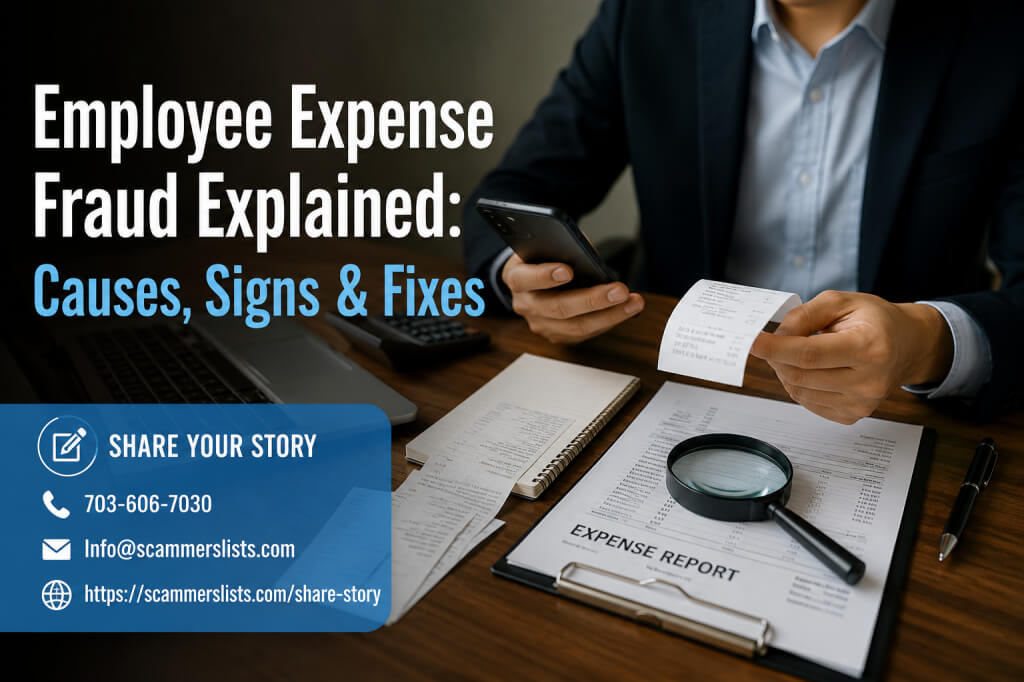
Expense reimbursement fraud cases are becoming one of the most common — and most costly — internal threats businesses face today. Whether it's an inflated mileage claim, a duplicate submission, or a completely fabricated receipt, expense fraud quietly drains company resources while often going undetected for months or even years. This guide breaks down why expense report fraud happens, how to spot it early, and what companies can do to stop it before it spirals into a major financial loss.
What Is Expense Reimbursement Fraud?
Expense reimbursement fraud occurs when an employee submits false, inflated, or unauthorized expense claims to receive money they aren't entitled to. This can range from small, repeated overstatements to large-scale, deliberate schemes involving fake vendors or forged receipts.
Common categories of expense fraud cases include:
- Fictitious expenses – claiming costs that were never actually incurred
- Overstated expenses – inflating the real cost of a legitimate purchase
- Duplicate claims – submitting the same receipt more than once, sometimes through different reporting periods
- Mischaracterized expenses – logging personal purchases as business-related
- Multiple reimbursements – claiming the same expense through both a corporate card and a personal reimbursement request
Because most expense systems rely heavily on employee honesty and manual approval, this type of fraud is often easier to commit — and easier to overlook — than other forms of financial misconduct.
Why Does Expense Fraud Happen in the Workplace?
Understanding the root causes of expense report fraud helps organizations design better prevention strategies. Most cases stem from a mix of opportunity, pressure, and weak internal controls.
- Weak or Inconsistent Expense Policies When a company's expense policy is vague or inconsistently enforced, employees may rationalize bending the rules, assuming no one will notice or object.
- Lack of Oversight and Manual Approval Gaps Many businesses still rely on spreadsheets or basic approval chains, where a single manager signs off without cross-checking receipts, dates, or vendor legitimacy.
- Financial Pressure Personal financial strain is one of the most cited motivators in real expense fraud cases. Employees under financial stress may see expense manipulation as a low-risk way to supplement income.
- Perceived Low Risk of Detection When companies don't audit expense reports regularly, employees may believe fraudulent claims will simply blend in with legitimate ones.
- Organizational Culture In workplaces where fraud has occurred before without consequences, or where "everyone does it a little," the behavior can normalize and spread across departments.
What Are the Warning Signs of Expense Fraud?
Recognizing red flags early is critical to limiting financial damage. Some of the most common signs finance and HR teams should watch for include:
- Round-number claims submitted repeatedly (e.g., exactly $100, $200)
- Missing or altered receipts, especially ones that appear edited or reprinted
- Claims just under approval thresholds, suggesting an employee is avoiding scrutiny
- Frequent weekend or holiday expenses that don't align with business activity
- Duplicate vendor names with slightly different spellings
- Employees who resist submitting original receipts or push back on documentation requests
- Spikes in reimbursement amounts without a clear business justification
A single red flag doesn't always confirm fraud, but a pattern of these signs across multiple expense reports is a strong indicator that a deeper audit is needed.
How Do Companies Detect Expense Report Fraud?
Modern detection combines technology, policy enforcement, and human judgment. Effective methods include:
- Automated expense management software that flags duplicate entries, unusual amounts, or policy violations in real time
- Random and periodic audits of expense reports across all departments, not just high-spend employees
- Receipt-matching technology that cross-references submitted receipts with vendor and bank data
- Data analytics to identify statistical anomalies, such as employees who consistently submit expenses just below approval limits
- Whistleblower and anonymous tip channels, which remain one of the most effective ways organizations uncover internal fraud
Combining automated tools with manual review creates a stronger detection net than relying on either approach alone.
What Are Some Real Expense Fraud Cases Companies Have Faced?
Expense reimbursement fraud cases span industries and company sizes. Typical scenarios uncovered in internal investigations include:
- An employee submitting personal travel and family vacation costs disguised as client meetings
- A manager approving inflated mileage reimbursements for a subordinate in exchange for kickbacks
- A staff member using a shared corporate card while also filing personal reimbursement claims for the same purchases
- Long-term employees submitting fabricated vendor invoices for services that were never rendered
These cases often surface only after a routine audit, a whistleblower report, or a shift in financial oversight — reinforcing why proactive monitoring matters more than reactive investigation.
How Can Businesses Fix and Prevent Expense Fraud?
Preventing expense fraud requires a combination of clear policy, consistent enforcement, and smart technology. Practical fixes include:
- Establish a clear, written expense policy that defines eligible expenses, documentation requirements, and approval limits.
- Require original, itemized receipts for all claims above a set threshold.
- Implement expense management software with built-in fraud detection and duplicate-flagging features.
- Conduct regular, unannounced audits rather than relying solely on scheduled reviews.
- Separate submission and approval duties so no single person controls the entire reimbursement process.
- Train managers to recognize red flags and enforce policy consistently across all levels.
- Encourage anonymous reporting so employees and colleagues can flag suspicious activity without fear of retaliation.
Companies that combine these steps typically see a significant drop in both accidental errors and deliberate expense report fraud.
📢 Share Your Story
Have you experienced expense reimbursement fraud, or uncovered a scheme at your workplace? Your story could help others recognize the warning signs before it's too late.
🌐 https://scammerslists.com/share-story
Frequently Asked Questions
Q. What is considered expense reimbursement fraud?
A. Expense reimbursement fraud is any deliberate act of submitting false, inflated, or unauthorized expense claims to receive reimbursement an employee is not entitled to, including fake receipts, duplicate claims, or personal purchases billed as business expenses.
Q. What are the most common types of expense fraud?
A. The most common types include fictitious expenses, overstated costs, duplicate submissions, mischaracterized personal expenses, and claiming the same cost through multiple reimbursement channels.
Q. How can a company detect expense report fraud?
A. Companies detect expense report fraud through automated expense software, random audits, receipt-matching tools, data analytics for spotting anomalies, and anonymous whistleblower reporting channels.
Q. Is expense fraud considered a criminal offense?
A. Yes. Depending on the amount and jurisdiction, expense reimbursement fraud can be classified as theft, embezzlement, or fraud, and may result in termination, civil liability, or criminal prosecution.
Q. What should an employer do if they suspect expense fraud?
A. Employers should document the suspicious claims, conduct a discreet internal investigation, involve HR and finance teams, and consult legal counsel before taking disciplinary or legal action.
Q. How can employees report expense fraud safely?
A. Most organizations offer anonymous reporting channels, such as a whistleblower hotline or online tip form, allowing employees to report suspected expense fraud without revealing their identity or fearing retaliation.
Recent Blog
- What to do if your small business identity is stolen
- Employee Expense Fraud Explained: Causes, Signs & Fixes
- Online Shopping Scams: How to Spot Them Before They Spot You
- Scammers Are Using Microsoft's Own Email Address to Scam You in 2026
- 18 Cyber Fraudsters Arrested for Rs 6.94 Crore Scam Across India
- VirilTonic24.com Review: Is it a Scam?
- How Evs and Precious Metals are Used to Scam People